Flea and tick interior-exterior eradication in Los Angeles resolves the specific biological pressures caused by year-round mild temperatures in Southern California. In microclimates like the hillsides of Silver Lake,…
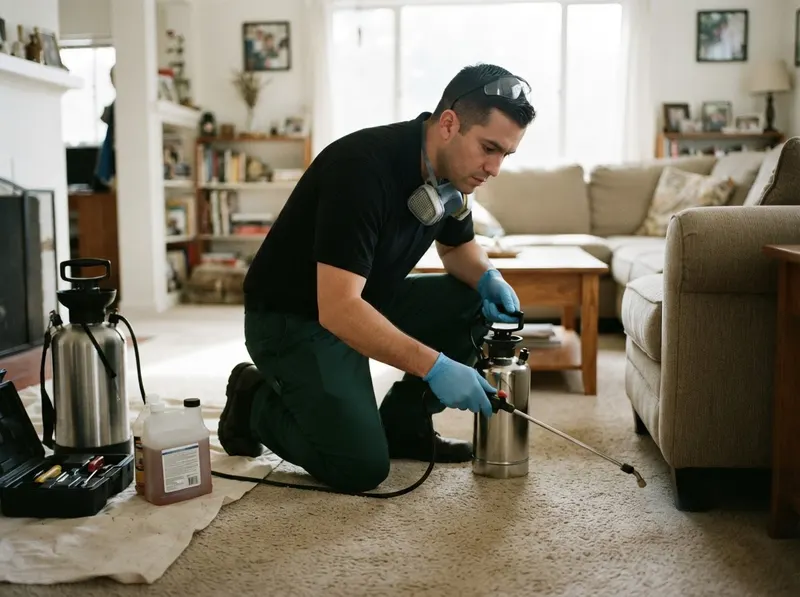
Flea and tick interior-exterior eradication in Los Angeles resolves the specific biological pressures caused by year-round mild temperatures in Southern California. In microclimates like the hillsides of Silver Lake, Echo Park, and Los Feliz, coastal humidity mixing with canyon wildlife paths creates an environment where cat fleas (Ctenocephalides felis) and brown dog ticks (Rhipicephalus sanguineus) thrive continuously. Because adult biting pests represent merely 5% of a total population, an interior-only vacuuming approach or an outdoor-only hose spray fails; pupae remain protected inside dense carpet fibers, while eggs wash into shady yard margins beneath synthetic or natural turf in areas such as Brentwood and Pacific Palisades. The trade-off between isolated topical treatments and full interior-exterior eradication is scope versus disruption: localized spot sprays leave pupae reserves dormant in subflooring, whereas dual-zone mechanical and chemical eradication requires vacating the premises for a 2 to 4 hour drying interval to achieve life-cycle disruption across all development phases.
Outdoor habitats in the San Fernando Valley, including dry residential lots in Sherman Oaks, expose perimeter perimeters to rodents, raccoons, and feral mammals carrying adult ticks along wooden fence lines. Concurrently, high-density residential corridors in Koreatown, Highland Park, and Boyle Heights concentrate animal exposure in shared run zones and landscaped courtyards. Treatment protocols target these exterior zones with microencapsulated adulticides and pyriproxyfen insect growth regulators calibrated to bind to organic matter without leeching into local runoff channels. For interiors, low-odor aerosols and targeted contact formulations suppress emerged adults while preventing larval molting. The structural material of the home dictates the application method: raised-foundation hardwood flooring in historic 1920s architecture demands targeted baseboard penetration, while slab foundations with wall-to-wall carpeting in suburban footprints require deep broadcast floor saturations to reach the egg base.
Safe re-entry protocols follow strict scientific safety thresholds to ensure the protection of domestic animals and young children. Occupants must remain off treated interior carpets and away from exterior damp foliage until chemical applications have fully dried to a crystal state, which typically requires 120 to 240 minutes depending on indoor airflow and outdoor coastal air moisture in communities like Venice. Pet bedding must be machine washed at temperatures exceeding 130 degrees Fahrenheit simultaneously with the service appointment to eliminate residual flea dirt and unhatched eggs. While professional dual-zone extermination terminates emerged adults within 4 to 12 hours of contact, residual IGR barriers remain biochemically active in carpet fibers and shaded soil for up to 90 days, breaking the pupal window as dormant parasites emerge over the subsequent 14 days without requiring long-term subscription service contracts.
Every job gets a firm, written price after a free on-site visit.
Tell us about your flea and tick interior-exterior eradication job in Los Angeles and we'll send a clear, written quote, usually the same day.
 Windmill Pest Control